LABORATORY of

Anatomy & Physiology of Farm Animals

About

The Laboratory of Anatomy & Physiology of Farm Animals is directed by Professor Ikonomopoulos John and deals with teaching and research related to Anatomy, Histology-Embryology, Physiology, Cell Biology, Microbiology, Animal Health, as well as Public Health.

It hosts 6 Professors, 1 Laboratory Teaching member and 1 laboratory technician. The members of the Laboratory participate in national and international research programs as well as in the support of the agricultural sector in Greece by providing know-how and services related to the management and hygiene of livestock farms, the diagnosis and control of diseases at breeding level as well as the defense of health and welfare of farm animals.

Laboratory History

The Laboratory of Anatomy and Physiology of Farm Animals of AUA was founded in 1920 under the name: “Laboratory of Anatomy, Physiology, Hygiene and Elements of Veterinary Medicine” at the Higher Agricultural School of Athens (back then HASA – today AUA) with Professor Christos Pasiokas as the first Director.

During the transfer of HASA in Thessaloniki (1937-1943), H. Pasiokas remained in Athens and is considered to have “rescued” the School’s Animal Husbandry during the difficult years of the Occupation.

After the restoration of HASA in Athens, H. Pasiokas again took over the direction of the Laboratory until 1958, when he was succeeded by Professor Konstantinos Melanidis. In that year there was a merger of the “Laboratory of Anatomy, Physiology, Hygiene and Elements of Veterinary Medicine” and the “Laboratory of Microbiology” (whose Director was K. Melanidis from 1949).

In 1960, the Department of Anatomy and Physiology of Farm Animals was founded, which was directed by K. Melanidis until 1965. The Directors of the Laboratory were then assumed by Professors Konstantinos Tarlatzis (1965-1974) and Efthimios N. Stoforos (1974-1997). The name of the latter has been given in honor to some building sites occupied by the Laboratory today.

From 1997 to 2011, Professor Mr. Ioannis G. Menegatos took over as Director, then Professor George I. Theodoropoulos (2011-2015), then Professor Mr. Ioannis Bosis (2016-2019) and then Professor Ms. Chadio-Mantzari Styliani (2019-2021) which was succeeded by Assistant Professor Christos Balaskas in 2022.

LABORATORY OBJECTIVES

The objectives of the Laboratory are twofold. On the one hand, the provision of theoretical and practical knowledge about the structure and function of the organism, the interactions between the systems of the organism, pathogens and the environment to ensure the health and productivity of animals. On the other hand, the production of original scientific knowledge through the research activities of its scientific staff.

Contact

LABORATORY
Anatomy & Physiology of Farm Animals
PHONE
+30 210 529 4382
LOCATION
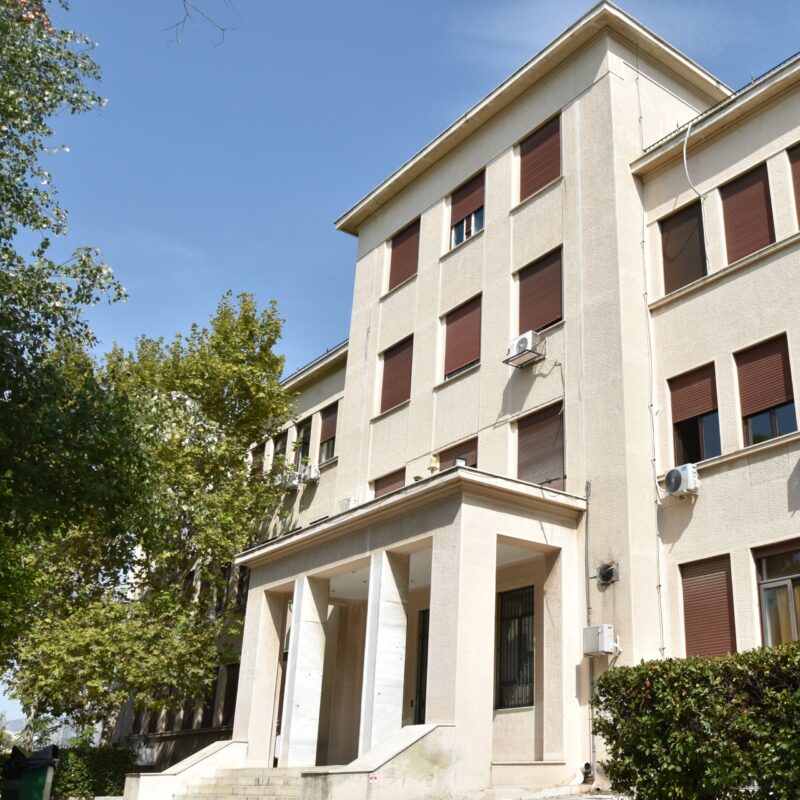
75 Iera Odos, 118 55, Dimakopoulos Hall, 1st floor

Personnel

The Lab hosts 6 members of Teaching & Research Staff, 1 member of Laboratory Teaching staff and 1 Laboratory Technician

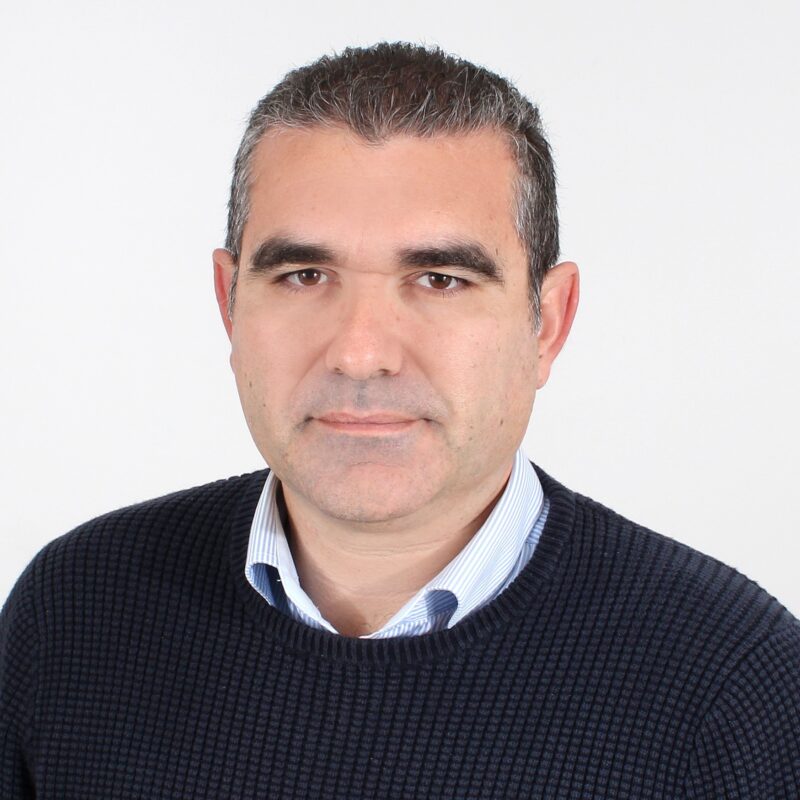
PROFESSOR, Laboratory Head
Ikonomopoulos John
EMAIL
ikonomop@aua.gr
PHONE NUMBER
+30 210 529 4383
LOCATION
Dimakopoulos Hall, 1st Floor
LABORATORY
Anatomy & Physiology of Farm Animals
PROFESSOR
Christodoulopoulos George
EMAIL
gc@aua.gr
PHONE NUMBER
+30 210 529 4386
LOCATION
Dimakopoulos Hall, 1st Floor
LABORATORY
Anatomy & Physiology of Farm Animals
ASSOCIATE PROFESSOR
Balaskas Christos
EMAIL
chbalaskas@aua.gr
PHONE NUMBER
+30 210 529 4389
LOCATION
Dimakopoulos Hall, 1st Floor
LABORATORY
Anatomy & Physiology of Farm Animals
ASSOCIATE PROFESSOR
Gelasakis Athanasios
EMAIL
gelasakis@aua.gr
PHONE NUMBER
+30 210 529 4387
LOCATION
Dimakopoulos Hall, 1st Floor
LABORATORY
Anatomy & Physiology of Farm Animals
ASSISTANT PROFESSOR
Arsenakis Ioannis
EMAIL
ioannis.arsenakis@aua.gr
PHONE NUMBER
+30 210 529 4428
LOCATION
Dimakopoulos Hall, 1st Floor
LABORATORY
Anatomy & Physiology of Farm Animals
ASSISTANT PROFESSOR
Sapanidou Vasiliki
EMAIL
vsapanidou@aua.gr
PHONE NUMBER
+30 210 529 4382
LOCATION
Dimakopoulos Hall, 1st Floor
LABORATORY
Anatomy & Physiology of Farm Animals
LABORATORY TEACHING PERSONNEL
Kalogiannis Dimitrios
EMAIL
kad@aua.gr
PHONE NUMBER
+30 210 529 4385
LOCATION
Dimakopoulos Hall, 1st Floor
LABORATORY
Anatomy & Physiology of Farm Animals
LABORATORY TECHNICIAN
Vaggelis Theodoros
EMAIL
tvagelis@aua.gr
PHONE NUMBER
+30 210 529 4382
LOCATION
Dimakopoulos Hall, 1st Floor
LABORATORY
Anatomy & Physiology of Farm Animals

Research

Learn more about the research activities of the Laboratory

RESEARCH FOCUS

The Research Activities of the Laboratory of Anatomy and Physiology of Farm Animals cover a wide range of disciplines including Anatomy, Histology-Embryology, Physiology, Microbiology and Hygiene of farm animals. Research fields of the academic staff include:

  • Neuroendocrinology of reproduction.
  • Interactions between nutrition and reproduction.
  • Developmental programming.
  • Epigenetic mechanisms of developmental programming.
  • Cellular development of enteric nervous system in chicken embryo using histochemistry and immunehistochemistry.
  • Embryonic organogenesis of the chicken.
  • Histochemistry and Immunohistochemistry applications for the study of organophosphates and carbamates toxicity.
  • Health and welfare of farm animals and farm hygiene.
  • Epidemiology of infectious and parasitic farm animal diseases.
  • Interactions between genotype, environmental factors and farm animal diseases.
  • Clinical, laboratory and ultrasound diagnostic applications in livestock science.
  • Diagnostic investigation of infectious diseases using molecular tools and analytical nanotechnology.
  • Quality control of laboratory diagnostics of infectious diseases.
  • Host-pathogen interactions for animal infectious diseases, with emphasis on zoonoses.
  • Contribution of microbial pathogens to the etiopathogenesis of autoimmune diseases

RESEARCH PROJECTS

European research projects:

  • Design of Effective and sustainable control strategies for LIVER fluke in Europe (DELIVER)
  • Multiparametric detection of bio-molecule conjugated nanoparticles for the diagnostic investigation of mycobacterial infections of humans and animals (Coordinator)
  • Analysis and control of egg contamination by Salmonella and other zoonotic pathogens after the move of laying hens to enriched cages and alternative housing systems (SAFEHOUSE)
  • “ConFluTech” European research program for training and harmonization of flu techniques in general and bird flu in particular
  • Multi faced research in rabbits: a model to develop a healthy and safe production in respect with animal welfare. European Cooperation in Science and Technology. COST 848 Action. 2000-2005.
  • Veterinary Network of Laboratories Researching into Improved Diagnosis and Epidemiology of Mycobacterial Diseases. Coordination action. 2004.
  • Design of Effective and sustainable control strategies for LIVER fluke in Europe (DELIVER). FP6-FOOD. 2006-2009.
  • Multiparametric detection of bio-molecule conjugated nanoparticles for the diagnostic investigation of mycobacterial infections of humans and animals (NANOMYC). FP6-LIFESCIHEALTH. 2007-2010.
  • Capacity building for the control of Avian influenza through technology transfer and training (ConFluTech). FP6-POLICIES. 2007-2012.
  • Epigenetics and Periconception Environment – Periconception environment as an Epigenomic lever for optimising food production and health in livestock. (EPICONCEPT) COST FA1201: 2012-2016.
  • Small Ruminant Assist Training (Alltech-SRAT). ALLTECH©. 2018-2019.
  • Post mortem examination and histology of bird carcasses collected following the application of the organophosphate chlorpyrifos. Tier3 solutions GmbH (Germany) for Corteva AgriscienceTM, The Agriculture Division of DowDuPontTM. 2013-2020.
  • Swine diseases field diagnostic toolbox (SWINOSTICS). Horizon 2020. 2018-2021.
  • European Network for Optimization of Veterinary Antimicrobial Treatment (ENOVAT). Cost Action, CA18217. 2019-2023.
  • Disseminating Innovation Solutions for Antibiotic Resistance Management» (DISARM). Horizon 2020. 2019-2022.

National research projects:

  • Study of the effect of maternal nutrition during gestation on physiological and production traits of their offspring in sheep», EPEAEK ‘PITHAGORAS’ 2004-2008.
  • Biosecurity control of animal-derived foods for children. ΧΜ ΕΟΧ 2004-2009 and Ministry of Finance. 2009-2011.
  • Study of the effect of maternal undernutrition, during late gestation and/or lactation, on physiological traits of female and male offspring in sheep». HAO-Demeter. 2011-2013.
  • Vaccine-based control of paratuberculosis. Aristeia ΙΙ. 2014.
  • Development of innovative diets to improve sheep milk quality (FEED FOR MILK). Operational Program Western Greece 2014-2020, Action: Strengthening Development and Innovation Research Plans and RIS3 Priority Area “AGRICULTURE”. 2019-2020.
  • Epidemiological investigation of foot lameness, assessment of relevant risk factors and development of a protocol for its diagnosis, prediction and control in intensive dairy sheep flocks. Operational Program ‘Development of Human Resources, Education and Lifelong Learning 2014-2020. ‘Support of Researchers with emphasis on Young Researchers-Second call’. 2020-2021.
  • A comprehensive approach against ovine progressive pneumonia for the preservation and sustainability of Chios sheep farms. Application of early disease-detection systems and generation of virus-free breeding stocks (RETROFREE). 1st Call for H.F.R.I. Research Projects for the support of Academics, Hellenic Foundation for Research and Innovation. 2020-2022

PARTICIPATION IN ORGANIZATIONS

The laboratory staff participates in National and International Organizations such as:

  • IDF “Animal Health” Standing Committee
  • World Rabbit Science Association, Greek Branch, Country Representative
  • International Society for Animal Hygiene, Greek Branch, Country Representative
  • European Food Safety Authority (EFSA)

Extension Services

Information for services provided by the Laboratory upon request

Field left blank intentionally

Infrastructure

Explore the facilities and the equipment of the Laboratory used in research and teaching

MICROSCOPY ROOM

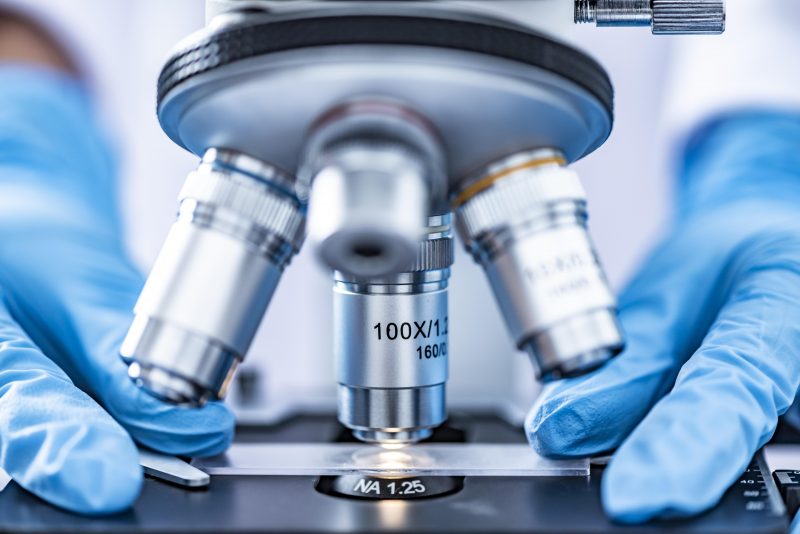
  • 20 optical microscopes

ANATOMY DISSECTION ROOM

  • 9 anatomy dissection tables fitted with sinks.
  • Desktop computer and data projector.
  • Show cases and cupboards for anatomy models, skeletons and anatomy teaching material, as well as the anatomical collection of the lab.

PHYSIOLOGY UNIT

  • Beta-counter
  • Gamma counter
  • Refrigerated centrifuge
  • Centrifuge
  • Stereoscope
  • Optical microscope
  • Inverted microscope
  • Laminar air flow work station with HEPA filter
  • Oven CO2

HISTOLOGY - EMBRYOLOGY UNIT

  • Image analysis facility with an optical microscope OLYMPUS BX50, a ZEISS Stemi 2000-C stereoscope fitted with external light source (OLYMPUS KL 200) and Image-Pro Plus V3.0.1 for Windows 7 HOME PREMIUM (MEDIA CYBERNETICS, USA).
  • Optical microscope Olympus CX31 fitted with camera ALTRA 20 and image capture software (Analysis Get-IT).
  • Optical microscope ZEISS Axioskop 20 for transmitted light and incident-light fluorescence.
  • 2 fume-cupboards with a moveable front sash (window) made out of safety glass, able to exhaust hazardous gases, dusts, mists, and vapors produced in a histology lab.
  • LEICA TP1020 semi-enclosed tissue processor with 2 LEICA EG1150 modular tissue embedding centers (each incorporates the EG1150C cold plate and the EG1150H heated paraffin dispensing module).
  • LEICA RM 2255 fully automated rotary microtome and LEICA HI1210 water-bath for paraffin sections.
  • LEICA Cryostat CM 1500.

MICROBIOLOGY UNIT

  • PCR work-station (Bioair)
  • Class II biological safety cabinet (Esco)
  • Laminar air flow work station
  • Real-time PCR (LightCycler 2.0, Roche)
  • Hybridization unit (Labnet ProBlot)
  • Conventional PCR thermocycler (×2)
  • ELISA photometer (TECAN)
  • Image analysis unit (Bio-Rad)
  • Digital CO2 (VXR)
  • Conventional (Edelstahl Rostfrei) and stomacher
  • Centrifuge (×3)
  • Autoclave (Labnet)
  • Optical microscope (Bausch&Lomb)

Farm Animal Hygiene and Herd Health Management Unit

  • PCR work-station (Esco)
  • Conventional PCR thermocycler (×2)
  • Image analysis unit (Bio-Rad)
  • Milk analyzer (Fat, Protein, Lactose, pH, Electrical conductivity, SCC, (Lactoscan)
  • Ultrasound scanner [linear (6-10 MHz) and sector (2,5-6 MHz) probes]
  • Centrifuge (×3)
  • Digital CO2 (Forma Stericult Thermoscientific)
  • Optical microscope (Novex)
  • Heat block (VWS)